Embroidery vs printing for polos and uniforms
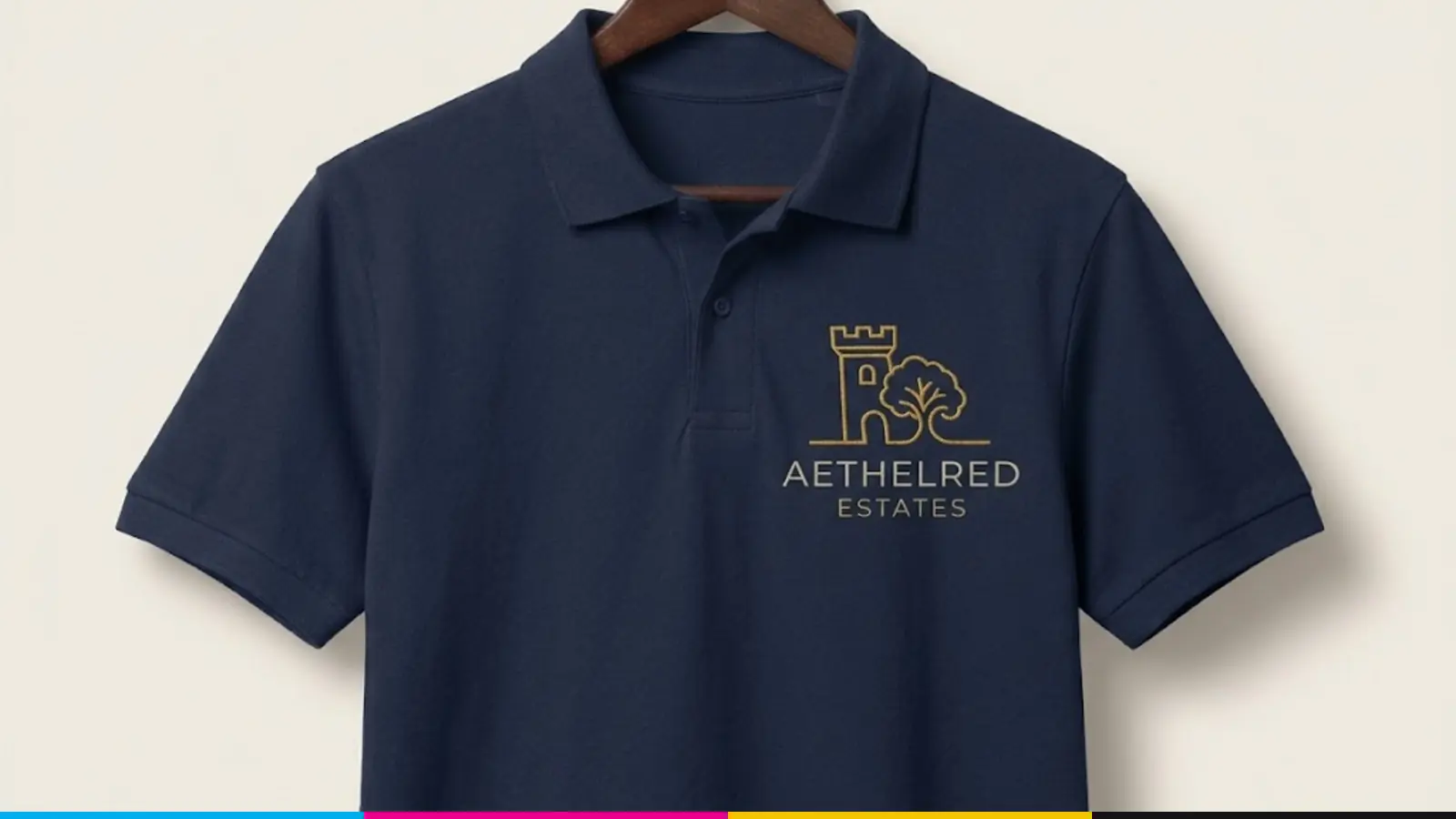
Embroidery gives a premium, hard-wearing stitched logo that’s ideal for polos and uniforms, while printing suits larger or full-colour designs. Many uniforms use both – an embroidered logo on the chest and a printed message on the back.
Embroidery
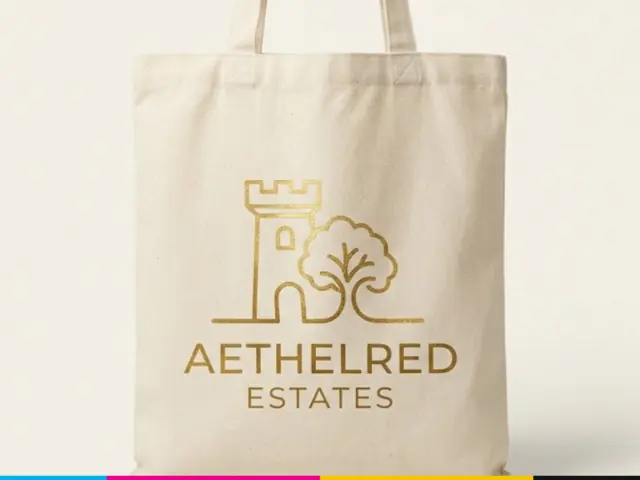
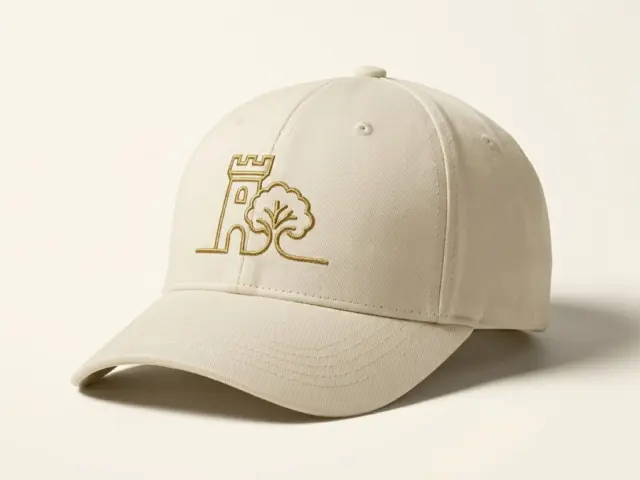
Your logo is stitched into the fabric, giving a raised, textured finish that looks smart and lasts the life of the garment – it does not fade or crack like some prints can. It is the classic choice for polos, caps, jackets and workwear, and works best for logos and text at chest-badge size. There is a one-off setup to digitise your logo into a stitch file, which we keep on record so every reorder matches exactly. Embroidery also handles the wash-and-wear life of a uniform without complaint, which is why it is the standard for staff who wear the same shirt daily.
Printing
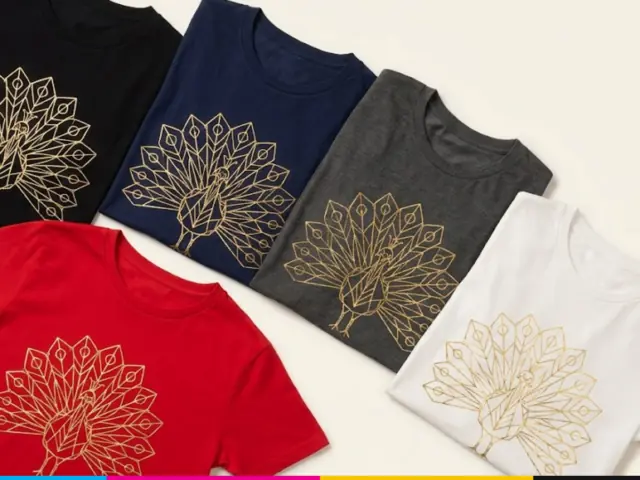
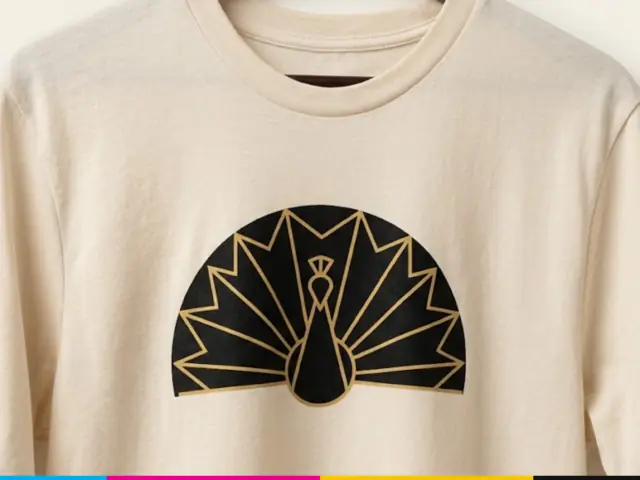
Printing (screen, DTG or DTF) reproduces larger designs, fine detail and full colour that embroidery cannot – so it suits big back prints, photographic art and bright graphics. It is also better value for large single-colour runs. Screen printing is the workhorse for bigger quantities in one or two colours; DTG and DTF handle full-colour and photographic designs down to small runs, so a detailed logo or a one-off event shirt is no problem.
How they hold up on the fabric
A polo is a mix of movement, sweat and repeated washing, and the two methods handle that differently. Embroidery is thread, so it does not fade or crack and it shrugs off the wash – the trade-off is that very fine detail and small text can blur when reduced to stitches, and a large embroidered area gets heavy and stiff. Print sits on or in the fabric, reproduces detail and colour beautifully, and stays light and flexible – a modern DTF or screen print, properly cured, lasts a long time, though a cheap or poorly cured print is what people mean when they talk about a design that cracks. The upshot: stitch the small, permanent chest logo; print the large, detailed or colourful piece.
Caps, workwear and small runs
A few garment types have their own rules of thumb. Caps are almost always embroidered, because the curved front panel and the small logo area suit stitching and stand up to daily wear. High-vis and trade workwear lean the same way – an embroidered badge is tidy and tough on a jacket that cops a hammering on site. For small runs and one-offs, DTG and DTF come into their own, since there is no screen or heavy setup to justify across a big quantity, so a handful of shirts is straightforward and affordable. For larger single-colour orders, screen printing becomes the value option because the setup is shared across the run. Tell us the garment, the design and the numbers, and we will match the method to the job.
Choosing across a whole uniform
Kitting out a team usually means mixing methods across garments, and a few defaults make it simple. Put an embroidered logo on the chest of polos, caps and jackets for a sharp, professional look that survives daily wear. Print names, role titles, slogans or a larger graphic on the back where space and detail matter. On high-vis and workwear, embroidery reads well at badge size and holds up on the job. For a bright team or event shirt where the whole front is the design, printing is the tool. Colour matching matters when your brand has a specific shade – embroidery uses thread colours chosen to match, and printing mixes to your colour, so send your brand colours and we will get them as close as the method allows. Do the whole uniform in one order and the setup is shared, which keeps the per-garment cost down.
Which should you choose?
- Chest logo on a polo, cap or uniform: embroidery.
- Large, detailed or full-colour design: printing.
- A professional uniform: often both – embroidered chest, printed back.
- Bright event or team shirt in quantity: printing, usually screen for one or two colours.
Frequently asked questions
Is embroidery more durable than printing?
For a small chest logo on a garment washed constantly, yes – stitched thread does not fade or crack. For a large or detailed design, a properly cured print is the right tool and holds up well. Each method wins in its own zone.
Can I have both on the one uniform?
Yes, and it is common – an embroidered logo on the chest for a premium finish, and a printed name, slogan or larger graphic on the back. We do both in-house so it comes back as one job.
What is the setup for embroidery?
A one-off digitising step converts your logo into a stitch file. We keep that file, so every future reorder matches without redoing the setup.
Which is cheaper?
It depends on the design and quantity. A small chest logo is efficient to embroider; a large full-colour design or a big single-colour run is usually cheaper to print. Tell us the garment, the design and the numbers for an exact figure.
We print and embroider in-house. See our polo shirt printing and hoodie printing, or get a quote.