How much does signage cost? What drives the price

Signage pricing comes down to five things: the material, the size, whether it is single or double-sided, the finishing, and the quantity. Rather than one figure, here is what moves the price – so you can brief accurately and get a fast, accurate quote.
Material is the biggest factor
There is a big spread: corflute is one of the cheapest ways to sign outdoors, foam board sits in the middle for indoor display, and aluminium composite costs more but lasts years. Choosing the right material for how long you actually need the sign is where most of the saving is. Paying for aluminium on a three-month promo is money left on the table; using foam board outdoors means paying twice when it fails.
Size and sides
Bigger signs use more material and ink, so cost rises with area – and it rises with the square, not the length, so doubling the height and width is closer to four times the material, not two. Double-sided signs (for directional and roadside use) cost more than single-sided, because you are printing and often mounting twice, but they catch traffic both ways, which is usually worth it for footpath and roadside spots.
Finishing and quantity
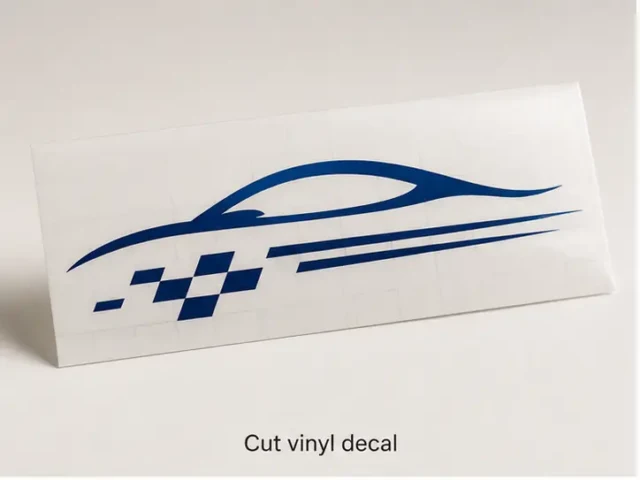
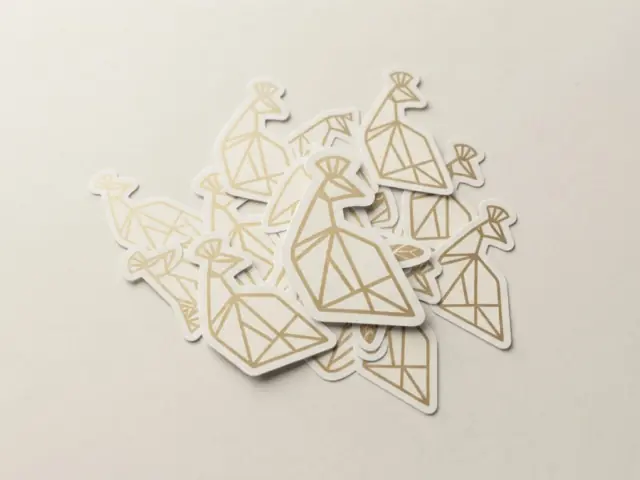
Extras like cut-to-shape, rounded corners, drill holes, eyelets, stakes or stands add a little each. Cutting a sign to your logo outline costs more than a rectangle because it takes an extra pass and a custom cut path. And quantity matters a lot – the setup (artwork, proofing, machine set-up) is spread across the run, so the price per sign drops sharply the more you order. A single sign carries all the setup on its own; fifty share it, so the per-unit price is far lower.
Artwork and turnaround
Two things people forget to factor in are the artwork and the timeline. If you supply print-ready files, there is nothing to add; if you need us to set up or redraw a logo, that is a small design step. Sending vector art or a high-resolution file the first time avoids rework and keeps the job moving. Turnaround usually does not change the price on a normal lead time, but a genuine rush that needs work reordered or run out of hours can, simply because it displaces other jobs. The easy win is to brief early with good files – it keeps the quote clean and the job on schedule.
A worked example of how the variables stack up
Picture two jobs. The first is a single directional sign for a car park: aluminium, double-sided, a couple of drill holes, one unit – the material and the double-sided print carry the cost, and it all sits on a single sign. The second is fifty corflute real estate boards, single-sided, drilled for cable ties – cheaper material, one side, and a run big enough that the setup barely registers per board. Same trade, wildly different maths, and it all traces back to the five factors above. That is why two signs the same size can quote very differently, and why the fastest way to a firm number is to tell us the material, size, sides and quantity together rather than one at a time.
What you can control to lower the cost
A few choices genuinely move the number in your favour. Match the material to the real lifespan rather than over-building. Order in one run instead of drip-feeding small reprints, so you only pay setup once. Stick to standard rectangular shapes unless a cut-out really earns its keep. Keep sizes sensible – going a little smaller can drop you under a material sheet size and save waste. And get your artwork print-ready, because clean files avoid rework. None of this means cutting corners; it means spending where it counts.
Why we quote rather than list prices
With so many variables, a fixed price would be wrong for most jobs – a price list either overcharges the simple jobs or undercharges the complex ones. Tell us the material (or just the use and how long you need it), the size and the quantity, and we will reply with an exact quote – usually the same business day. If you are not sure what material suits, describe where the sign goes and we will recommend one as part of the quote.
Frequently asked questions
Why won’t you just publish prices?
Because signage has too many variables – material, size, sides, finishing and quantity all move the number. A flat price would be wrong for most jobs, so we quote each one accurately instead.
How can I make my signage cheaper?
Match the material to how long you actually need the sign, order the full quantity in one run to share the setup, keep to standard shapes, and send print-ready artwork. Those four choices do most of the saving.
Does ordering more really cost less per sign?
Yes, noticeably. The setup is a fixed cost spread across the run, so the per-unit price falls as the quantity rises. One sign is dear per unit; a batch is far cheaper each.
How fast can I get a quote?
Usually the same business day. Send the material or use, the size and the quantity, and we will come straight back with an exact figure.
Give us those details and we will price it precisely. Get a quote.