Labels vs stickers: what’s the difference?
A label is functional – applied to a product or package to inform, like a jar label, address label or barcode – while a sticker is usually decorative or branding, die-cut to a shape. They are made much the same way; the difference is mostly what they are for.
Labels
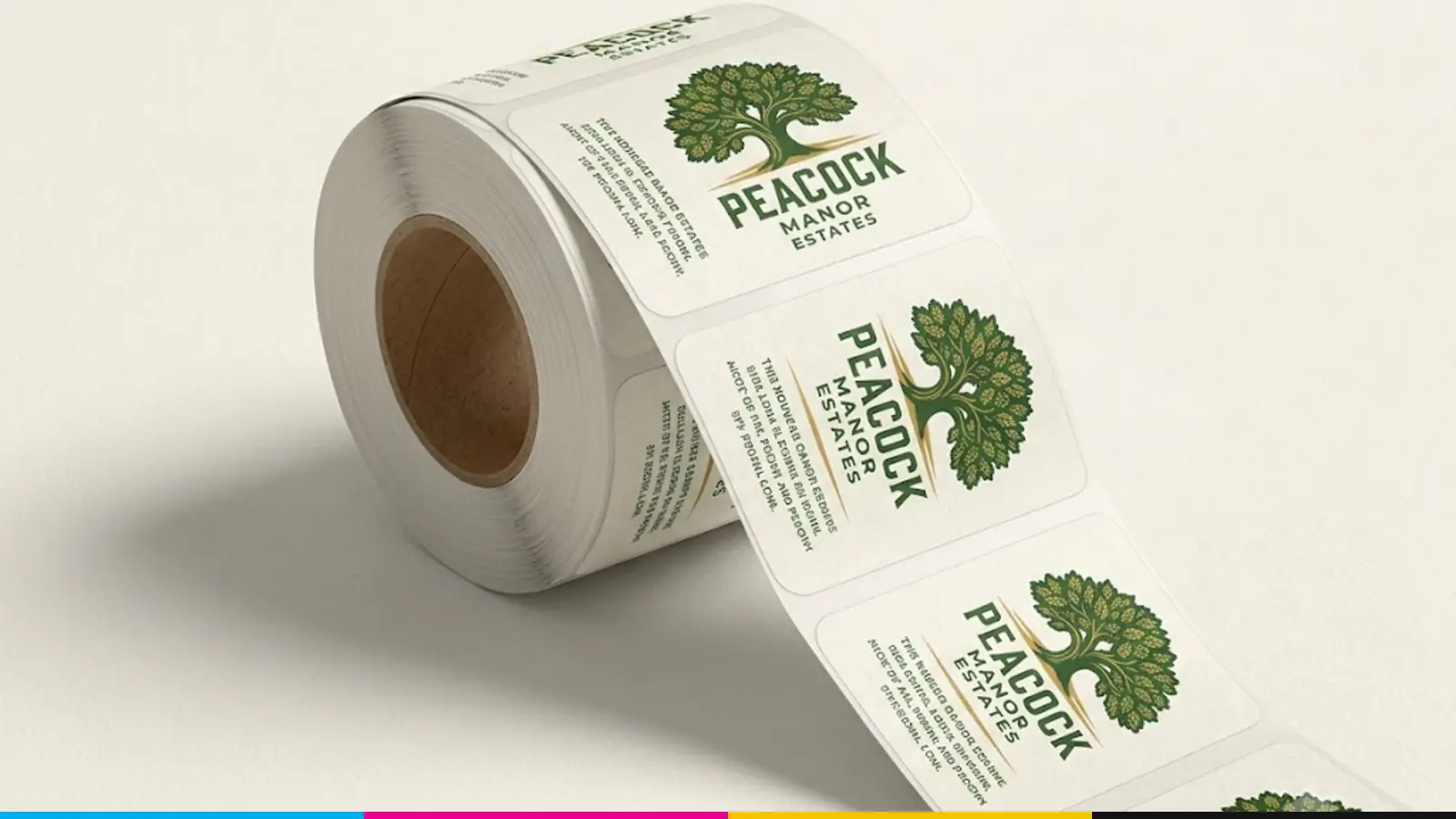
Labels do a job: they identify a product, carry ingredients or pricing, seal a box, or address a parcel. They are often supplied on rolls for quick or automated application, in practical shapes (round, oval, rectangle) sized to the product, on stocks chosen for the environment – waterproof vinyl for drinks and cosmetics, paper for dry goods.
Stickers
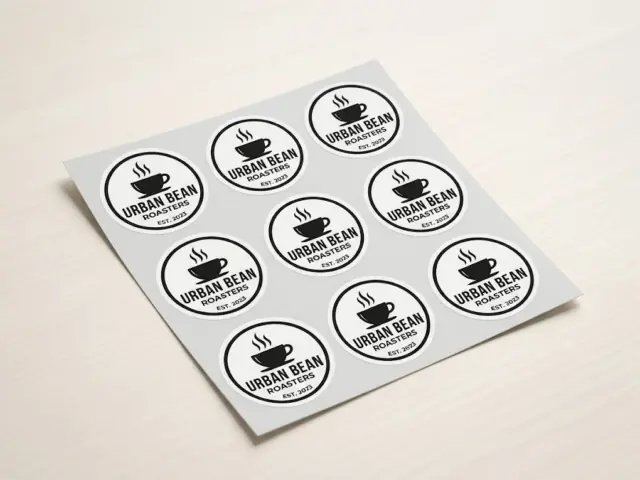
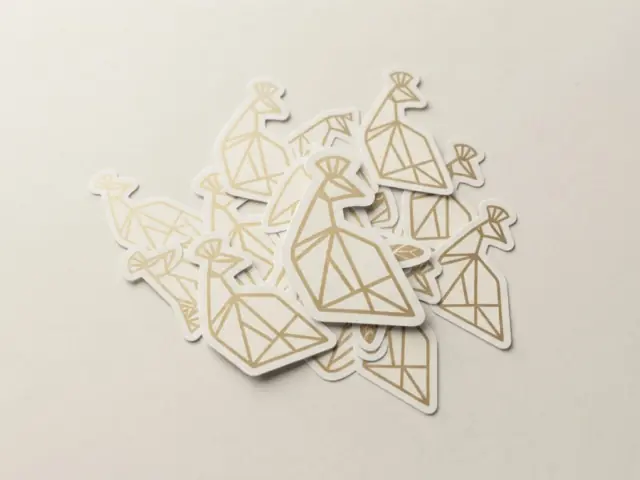
Stickers are usually about branding or decoration – a logo sticker for a giveaway, a die-cut shape for packaging or merch. They lean toward custom shapes, durable vinyl and eye-catching finishes.
Plenty of overlap
A branded product label is doing both jobs at once, and the same printing and materials cover either. So do not get too hung up on the word – tell us what it is for and where it goes, and we will print the right thing.
Sheets vs rolls
One practical difference shows up in how they are supplied. Labels are frequently produced on rolls, which suits hand-application down a production line and works with benchtop label applicators for larger runs. Stickers are more often supplied as die-cut singles, kiss-cut pieces or sheets for handing out. If you are labelling hundreds of jars or bottles, rolls speed the job up enormously; if you are giving stickers away at a market stall, singles or sheets make more sense. Tell us the volume and how they will be applied and we will supply the format that saves you time.
Choosing the right material for a label
Because labels live on products, the surface and environment drive the material. Drinks, cosmetics and anything refrigerated or hand-washed need waterproof vinyl so the label survives condensation and moisture. Dry goods, boxes and short-life promotions are fine on paper, which costs less. Consider fill temperature, whether the product gets wet, how long it needs to look good on shelf, and whether the label must survive freezing. Regulated products – food, cosmetics, therapeutic goods – also carry compliance information, so leave room in the design for required text at a legible size.
How to choose
- Product identification, ingredients, barcodes, rolls for volume: label.
- Branding, giveaways, custom shapes and finishes: sticker.
- Wet, chilled or hand-washed products: waterproof vinyl either way.
- Dry goods and short-term promos: paper to keep costs down.
Frequently asked questions
Are labels and stickers priced differently?
Not because of the name – cost comes from size, quantity, material, finish and whether they are on rolls or die-cut. We quote each job so you can weigh up the options.
Can I get labels on a roll for a bottling line?
Yes. Roll labels suit hand and machine application and are the usual choice for drinks, jars and cosmetics produced in volume.
Which do I need for a product that gets wet?
Waterproof vinyl, whether you call it a label or a sticker. It survives condensation, fridges and hand-washing where paper would lift and smear.
Do you print custom-shaped labels?
We do. Round, oval and rectangular are common, but we can die-cut a label to a custom shape that fits your packaging and brand.
Finishes and shapes for each
Both labels and stickers can take the same finishes, but the choices tend to differ with the job. Product labels often use a matte or gloss laminate for durability and a premium feel, and clear labels give a no-label look on glass bottles and jars that suits spirits, cold-pressed juices and cosmetics. Stickers lean harder into eye-catching finishes – metallic, holographic and bold gloss – because their job is to be noticed. Shape follows function too: labels are usually round, oval or rectangular to sit neatly on packaging, while stickers embrace custom die-cut outlines that trace a logo or character.
Application and reorders
How each is applied shapes the order. Roll labels apply quickly by hand or machine down a production line, which matters when you are labelling hundreds of units, and consistent placement keeps a shelf line looking sharp. Stickers are handed out, mailed or stuck on by customers, so easy peeling and edge protection count for more. Whichever you order, we keep your artwork on file so reprints match exactly – same stock, same colours, same size – and larger runs bring the per-piece cost down, so it pays to order a sensible quantity rather than frequent small top-ups.
Compliance and information labels
If your label carries regulated information – food ingredients and allergens, cosmetic contents, or barcodes and batch codes – build the layout around legibility. Keep required text at a readable size, leave clear space around barcodes so scanners read them first time, and choose a stock and finish that keeps the print sharp through the product’s life. A gloss laminate can cause glare that hampers barcode scanning, so a matte finish over the code is often the safer call. Tell us what the label has to carry and where it goes, and we will set it up to work as well as it looks.
See our label printing and custom stickers, explore vinyl stickers, or get a quote.