How to choose the right material for your business sign

As a quick rule: corflute for cheap, short-term outdoor signs; aluminium for permanent outdoor signage; foam board for indoor displays; and an A-frame for footpath marketing. The right material comes down to where the sign lives and how long it needs to last.
Start with the environment and the lifespan
Before you think about material, answer two questions: where will the sign sit, and how long does it need to survive there? A board bolted to a west-facing wall in Marrickville cops hours of hard afternoon sun and the odd Sydney southerly buster. A sign inside a showroom faces none of that. Get those two answers right and the material almost picks itself – matching an indoor-grade board to an outdoor job is the single most expensive mistake we see, because it fails early and you pay twice.
Corflute — cheap and short-term outdoors
Lightweight fluted plastic that handles a few months of weather for very little cost. Ideal for real estate boards, event and directional signs, and campaigns where you need quantity or only need them for a while. It drills cleanly for cable ties and takes stakes for lawn signs. The one thing to know: the flutes run in one direction, so a tall sign is stiffer with vertical flutes and a wide sign with horizontal – tell us the orientation and we set it up right. Corflute signs.
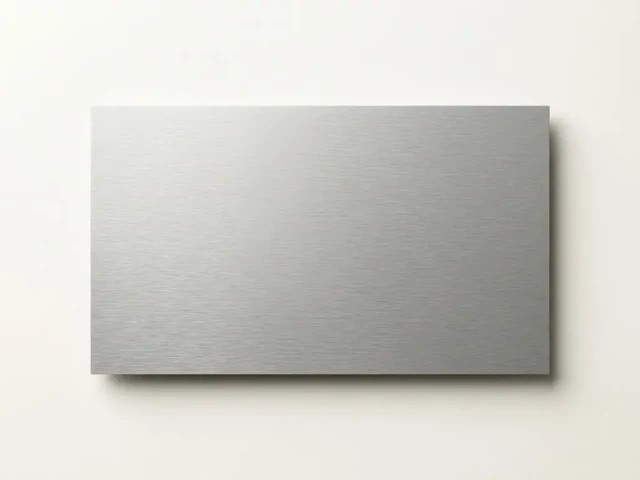
Aluminium — permanent outdoors
Rust-proof aluminium composite (two thin aluminium skins over a polyethylene core) with UV-stable print lasts years without fading. It stays dead flat, resists knocks, and takes drill holes or standoffs for a clean wall mount. The choice for building and business signage, car park and safety signs, strata and directional boards – anything that needs to look sharp long-term. Aluminium signs.
Foam board — indoor displays
Light, rigid and crisp, but not for the weather. Perfect for events, presentations, retail point-of-sale and mounted photos, viewed up close indoors. The smooth surface gives photographic prints a clean, matte finish with no glare, and it is light enough to hang with a couple of dots of adhesive. Keep it out of humidity and direct wet and it will look brand new for the life of a campaign. Foam board signs.
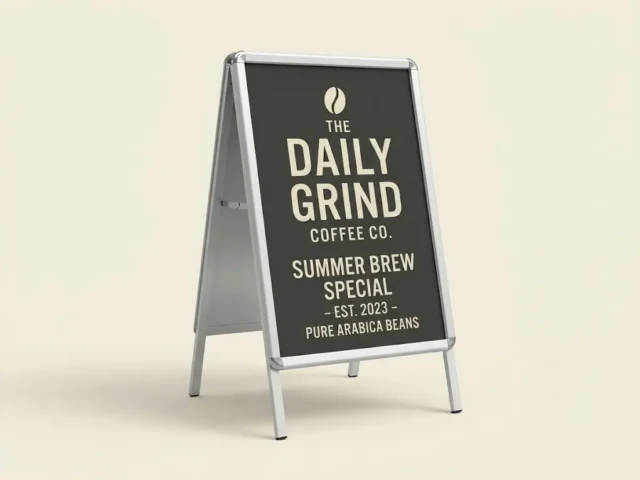
A-frame — footpath marketing
A portable, double-sided sign that pulls in passing foot traffic – the workhorse for cafes and shops. It folds flat to bring in overnight, sits on both faces so it catches people coming and going, and takes a replaceable corflute or aluminium insert so you can swap the message without buying a new frame. A-frame signs.
Fixings and installation matter as much as the board
The best board fails fast if it is hung badly. Outdoors, use eyelets and cable ties rated for the load, keep fixings clear of the print edge so nothing tears, and give a large sign a frame or extra support so wind cannot flex it. On a masonry wall, aluminium sits best on standoffs or through-drilled holes with weatherproof fixings. Indoors you have more freedom – hook-and-loop, standoffs or simple adhesive. Tell us how you plan to mount it and we will add the right holes or hardware before it leaves us.
Common mistakes to avoid
- Using indoor board outside. Foam board swells and delaminates in the weather – it is an indoor material, full stop.
- Buying permanent when you needed temporary. A three-month promo does not need aluminium; corflute does the job for a fraction of the cost.
- Forgetting the fixings. A great print with no eyelets or stakes is half a sign. Decide how it mounts before you order.
- Text too small. A footpath or roadside sign is read in seconds from metres away – fewer words, bigger type.
How to choose in one line
Short-term outdoors: corflute. Permanent outdoors: aluminium. Indoor display: foam board. Footpath and portable: A-frame. If a job crosses two of those, we spec for the harder condition – the one that costs a little more up front but does not fail on you.
Frequently asked questions
What is the most durable sign material?
Aluminium composite. With UV-stable inks it holds colour and shape outdoors for years, which is why it is the standard for permanent building and business signage.
Can I use corflute for a long-term sign?
You can, but you should not expect years from it. Corflute is built for months of outdoor life. For anything permanent, aluminium is the better value once you factor in reprints.
Which material is cheapest?
Corflute is the most economical way to sign outdoors, especially in quantity. Foam board is the budget pick for indoor display. Price depends on size, sides and quantity, so tell us the job for an exact figure.
How do I know what will suit my job?
Tell us where the sign will go, how long it needs to last, and roughly how big – that is enough for us to recommend the right board.
Still weighing it up? Tell us where the sign will go and how long you need it, and we will recommend one – or get a quote.