Where to get business cards printed in Sydney
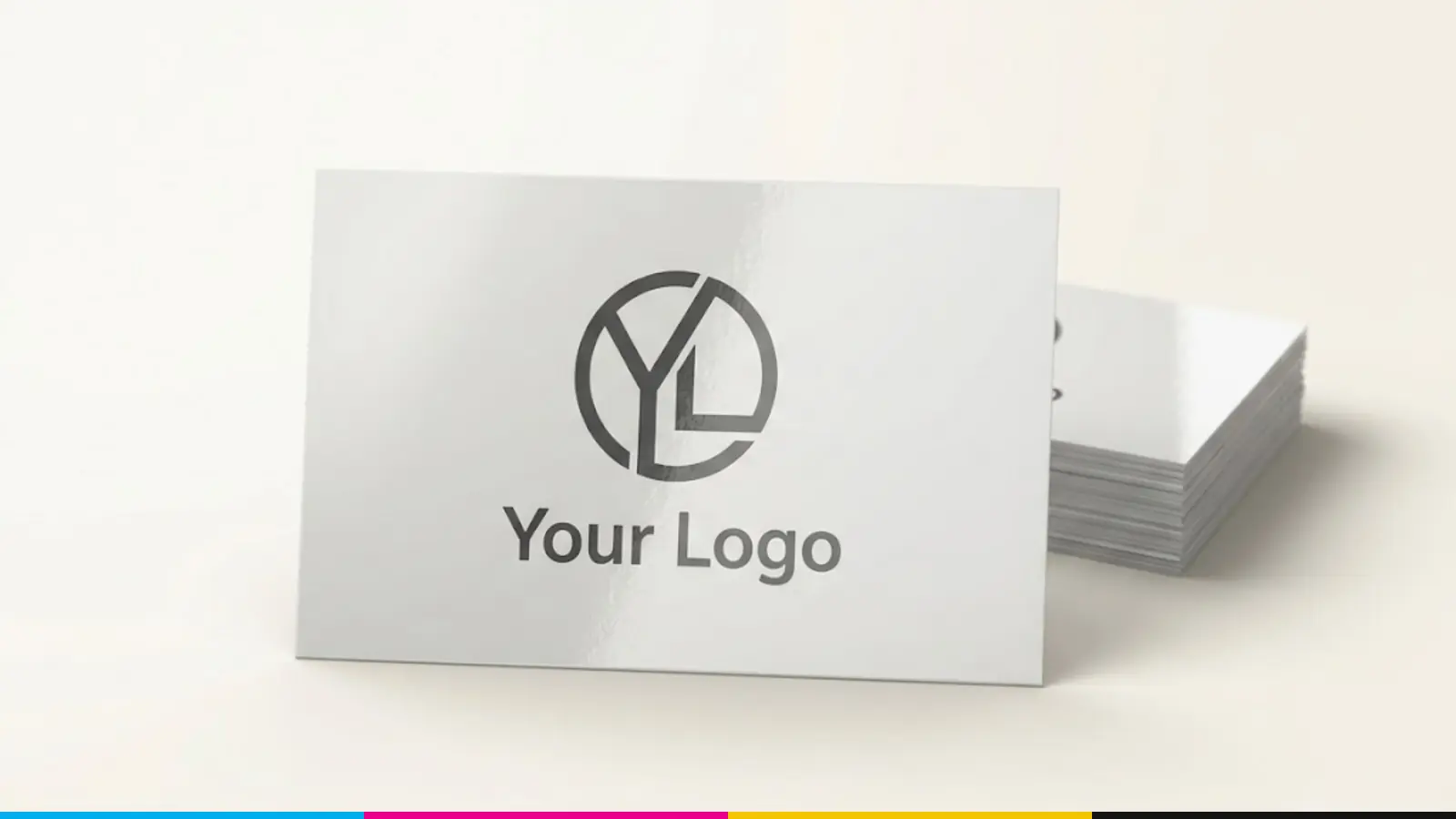
You can get business cards printed in Sydney from online printers, chain copy shops, or a local print shop. At our print shop, business cards are available from 300gsm up to 450gsm, with pricing depending on the card thickness and print specifications. Our minimum order is 250 cards, with prices starting from $65 + GST for 250 x 300gsm cards with single-sided printing. Here is what you should know about pricing, paper thickness and choosing the right option for your business.
A business card is a small print job with an outsized effect on first impressions. While it can be tempting to choose the cheapest template or online offer, the stock thickness, print quality and accuracy of the finished cards all affect how your business is represented. Below is a practical guide to business card pricing in Sydney and what to consider before placing an order.
How much do business cards cost in Sydney?
The price of business cards depends primarily on the quantity, paper thickness, number of printed sides and finishing requirements. At our print shop, we offer business cards from 300gsm to 450gsm, with the price increasing according to the thickness of the card.
Our minimum order quantity is 250 cards. Pricing starts at:
- 250 x 300gsm business cards — from $65 + GST for single-sided printing.
- Thicker cards from 300gsm to 450gsm — pricing varies according to the selected thickness and print requirements.
The starting price is for 300gsm cards with single-sided printing. If you require double-sided printing or a thicker stock, the price will be different. For an exact price, provide your required quantity, card thickness and whether you need single- or double-sided printing.
For an exact figure on your job, get a quote based on your preferred stock and printing requirements.
What business card thickness should you choose?
Paper thickness makes a noticeable difference to how a business card feels when someone picks it up. Our business cards are available from 300gsm through to 450gsm, giving you options from a practical everyday card to a substantially heavier premium feel.
- 300gsm — a practical and cost-effective option for standard business cards.
- 350gsm — a firmer option if you want a more substantial feel.
- 400gsm — suitable when you want a noticeably heavier and more premium card.
- 450gsm — our heaviest available stock, providing a more substantial feel in the hand.
There is no single thickness that is right for every business. If keeping the cost down is important, 300gsm is a sensible starting point. If the physical feel of the card is important to your brand, choosing a thicker stock can make a worthwhile difference.
Is it cheaper to print your own business cards?
Usually not once you consider the cost of suitable card stock, ink or toner and your own time. Home printers are also generally limited in the thickness and finishing options they can handle.
DIY business cards can be useful in an emergency, but professionally printed cards provide a cleaner and more consistent result. For cards that you hand to customers, clients or business contacts, professional printing is generally the better choice.
With a minimum professional order of 250 cards, you can also avoid printing a large quantity if you only need a relatively small run.
Where is the cheapest place to get business cards printed?
Online printers can advertise very low prices, particularly for large quantities. However, price should not be the only consideration. You also need to compare the actual paper thickness, whether printing is single- or double-sided, delivery charges and the time required to receive the finished cards.
A local printer can be particularly useful when you want to discuss the stock, check your artwork or need your cards within a shorter timeframe. Comparing the complete job specification rather than just the advertised starting price gives you a more meaningful comparison.
Your printing options compared
Chain copy shops
Chain copy shops can be convenient for straightforward print jobs and last-minute requirements. However, your options may depend on the equipment and card stocks available at the particular location.
If you already have print-ready artwork and simply need a basic run, a copy shop may be suitable. For more specific requirements, it is worth checking the available card thicknesses and printing options before ordering.
National online printers
Online printers can be convenient and may offer competitive prices, particularly when ordering larger quantities. The trade-off is that you normally order without speaking directly to the person producing your cards, and delivery needs to be factored into the overall turnaround.
Make sure you compare like-for-like specifications. A very low advertised price may refer to a particular quantity, paper thickness or printing configuration that is different from what you actually need.
A local Sydney printer
A local printer gives you the opportunity to discuss your requirements directly and choose the appropriate card thickness for your budget and intended use. It can also be easier to resolve artwork questions or clarify the difference between available options before the job goes to print.
For businesses that value straightforward communication and local service, this can be a significant advantage.
Should business cards be glossy or matte?
The right finish depends on the look and practical use you want from the card. Gloss and matte finishes can create quite different impressions, so it is worth considering how the card will be handled and what type of design you are using.
- Gloss can make colours appear vibrant and is well suited to colourful or image-heavy designs.
- Matte provides a more subdued appearance and can give the card a clean, professional look.
If you are unsure about the best option, ask your printer what finishes are available for the particular stock you are considering.
What should you put on a business card?
A business card works best when the important information is immediately clear. You generally do not need to fill every available space.
Consider including:
- Your name
- Job title or role
- Business name and logo
- Phone number
- Email address
- Website
- QR code, if it provides a useful link to your website, portfolio or contact details
Avoid overcrowding the card with unnecessary information. Clear typography and sufficient white space generally make a business card easier to read and more professional.
What should you not put on a business card?
A card is a small format, so trying to include everything can make it difficult to use. Avoid:
- Too much information — include the contact details people actually need.
- Tiny text that is difficult to read.
- Long, complicated URLs when a clean domain or QR code would work better.
- Low-resolution logos or images that may look pixelated when printed.
- Unnecessary details that distract from your name, business and contact information.
White space is not wasted space. A clean, well-organised card is usually easier to read and makes a stronger impression.
Common mistakes when ordering business cards
- Choosing based only on the lowest advertised price without checking the stock thickness and print specification.
- Ordering the wrong quantity because the advertised price applies to a different minimum order.
- Not checking whether printing is single- or double-sided.
- Supplying low-resolution artwork that cannot produce a sharp printed result.
- Leaving the order until the last minute without checking the printer’s turnaround time.
- Not checking the final artwork for spelling mistakes, incorrect contact details or missing information.
What is replacing business cards in 2026?
Digital contact sharing is becoming increasingly common, but physical business cards remain useful for face-to-face networking and customer interactions.
QR codes can be added to a business card to connect the physical card with your digital presence. A QR code could direct someone to your website, portfolio, contact page or another relevant online destination.
For many businesses, the most practical approach is therefore both physical and digital: hand someone a professionally printed card while giving them an easy way to access more information online.
How to choose the right business card printer
When comparing printers, look beyond the headline price and check the complete specification of the job.
- Check the minimum order quantity.
- Compare the actual gsm/thickness of the card.
- Confirm whether the price is for single- or double-sided printing.
- Ask whether the printer can provide an artwork check.
- Check the available finishing options.
- Confirm the expected turnaround time.
- Compare the final price including GST and delivery, rather than only the advertised starting price.
For example, our business card printing starts at $65 + GST for 250 x 300gsm cards with single-sided printing. If you want thicker cards or different printing requirements, the price changes accordingly.
Business cards in Marrickville and the Inner West
We print business cards in-house at our Victoria Road shop in Marrickville, serving Newtown, Enmore, Dulwich Hill, Petersham, St Peters and the wider Inner West and Sydney.
Our business cards are available in 300gsm, 350gsm, 400gsm and 450gsm options, allowing you to select the thickness that best suits your budget and brand.
The minimum order is 250 cards, and pricing starts from $65 + GST for 250 x 300gsm cards with single-sided printing. Prices vary according to card thickness and printing requirements.
Ordering business cards in Marrickville
Getting your business cards printed is straightforward. Send us your print-ready artwork and tell us the quantity, card thickness and printing requirements. If you need help preparing your artwork, you can also discuss your requirements with us before placing the order.
We can help you choose between the available 300gsm to 450gsm card options based on the look and feel you want and your budget.
See our business card printing page, or get a quote for your requirements.
Business cards in Sydney FAQ
How much do 250 business cards cost?
Our business card printing starts from $65 + GST for 250 x 300gsm cards with single-sided printing. The final price varies depending on the card thickness and printing requirements.
What is the minimum order for business cards?
Our minimum order quantity is 250 business cards.
What thickness are your business cards?
Our business cards range from 300gsm to 450gsm. Pricing varies according to the thickness selected.
How much do 300gsm business cards cost?
Our starting price is $65 + GST for 250 x 300gsm business cards with single-sided printing. Double-sided printing or other specifications may change the price.
Can I order fewer than 250 business cards?
Our minimum order quantity is 250 cards, so orders below this quantity are not available under our standard business card printing service.
Should I choose 300gsm or a thicker business card?
300gsm is a practical and cost-effective option for standard business cards. If you want a heavier, more substantial feel, you can choose from our thicker 350gsm, 400gsm or 450gsm options. The price increases according to the selected thickness.
Is the starting price for single- or double-sided printing?
The starting price of $65 + GST for 250 cards is for 300gsm cards with single-sided printing. Double-sided printing has a different price.
Can you print thicker business cards?
Yes. Our available business card stocks range from 300gsm up to 450gsm, giving you several thickness options depending on the feel and budget you want.
Can you check my artwork before printing?
You can provide your artwork for review before printing so that the print specifications can be confirmed. It is important to make sure your artwork has the correct dimensions, resolution, bleed and contact details before production.