What to include on a business letterhead (Australia)
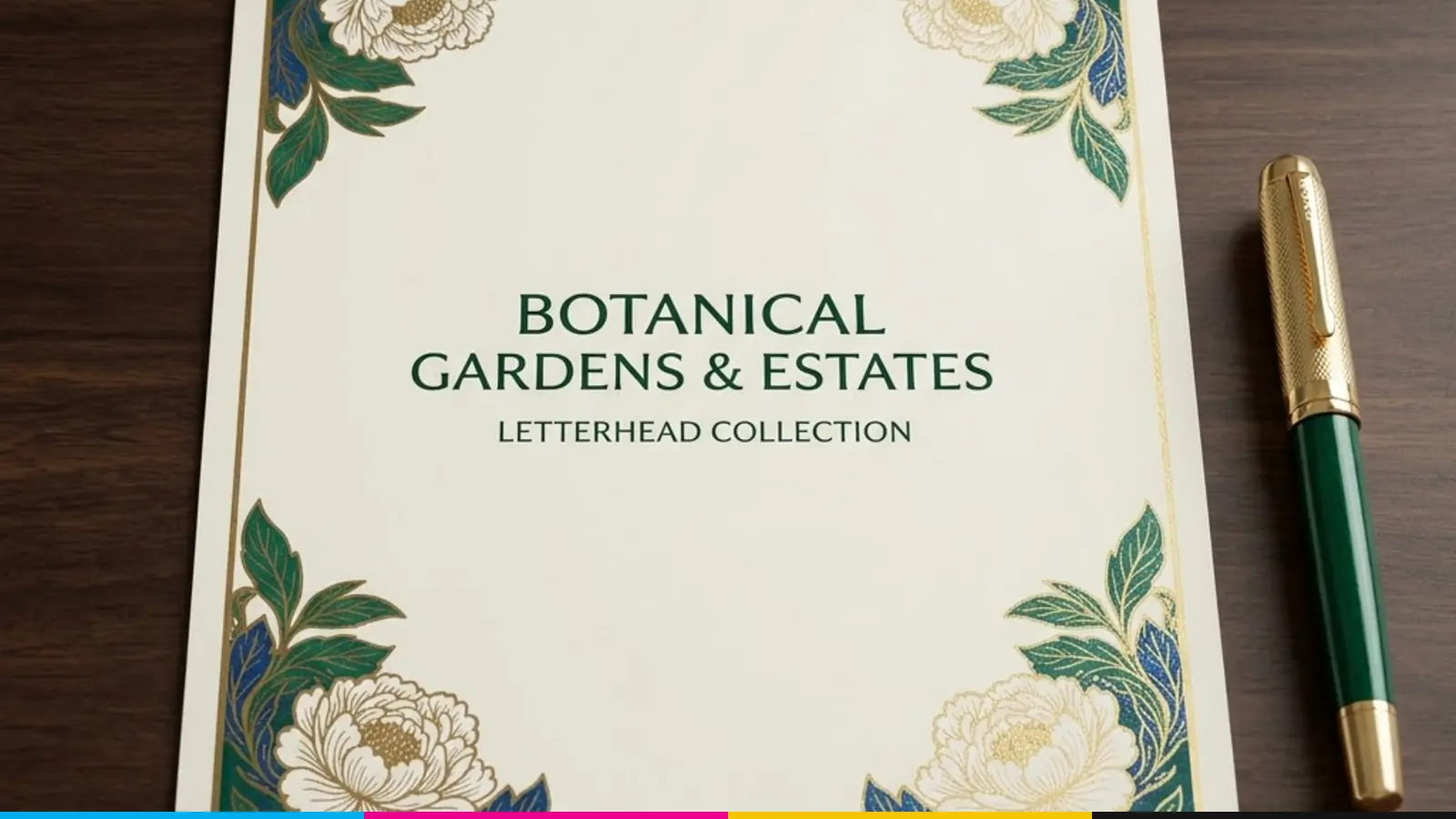
A business letterhead should carry your logo, business name, ABN, address, phone, email and website — usually with branding at the top and a tidy footer, leaving the middle of the page clear for your letter. It is a small thing that makes quotes, contracts and letters look established and trustworthy.
What to include
- Your logo — top-left or centred
- Business or company name
- ABN — good practice, and expected on formal documents
- Address — physical or postal
- Phone and email
- Website and, optionally, social handles
- An optional footer with the ABN and any registration details
Where each element goes
The convention that reads as “professional” is simple: brand at the top, contact details split between the top and a footer, and a clear centre. Most letterheads put the logo and business name in the header, then push the address, phone, email and website into a slim footer strip. That keeps the top of the page from getting cluttered and gives your typed letter room to breathe. If you are a company (Pty Ltd) rather than a sole trader, the footer is also the natural place for your ACN and registered office, which some formal documents expect.
Layout tips
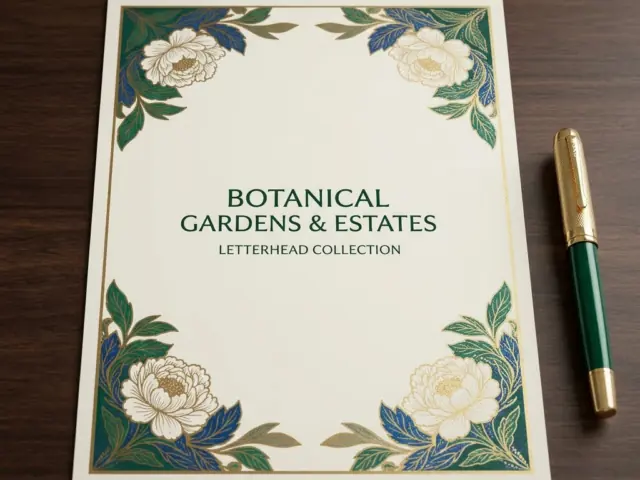
Keep the branding to the margins and the centre clear so your typed content sits comfortably. Do not crowd the page, use a high-resolution logo, and if you have a colour band running to the edge, allow 3mm bleed for printing. Match the fonts and colours to your business cards and quotes for a consistent look across every document a client receives. A few practical measurements help: leave a top margin of around 25–30mm so the header does not fight your greeting, and keep the footer text small (around 8–9pt) so it stays present without shouting.
Design it to work with your printer
A letterhead has to play two roles — printed as a stack for physical letters, and often re-used as a digital template you type onto. Set up an A4 print version with bleed and CMYK colour for us, and keep a matching Word or PDF template for everyday correspondence you run through the office printer. If you print letters in-house over the top of pre-printed letterhead, keep the header and footer artwork clear of the zone your desktop printer cannot reach (usually about 5mm from each edge).
Common mistakes
- A low-resolution logo pulled from a website, which prints fuzzy.
- Too much in the header, leaving no room for the letter itself.
- Mismatched branding — a letterhead that looks nothing like your business cards.
- A full-bleed colour band with no bleed set up, so it trims to a white line.
- Forgetting the ABN, which formal and financial documents are expected to carry.
Matching stationery
A letterhead rarely travels alone. The businesses that look most established use a matched set — letterhead, business cards, with-compliments slips and invoices that share the same logo, fonts and colours. A with-compliments slip (usually DL size, a third of an A4) is a small, cheap piece that goes out with deliveries and quotes and keeps your brand in front of the customer. Setting these up together, from one design, keeps everything consistent and usually works out better value than printing each piece separately.
Sole trader or company details
What you put on the letterhead depends on your structure. A sole trader shows their business name and ABN. A company (Pty Ltd) should also show its full company name and ACN, and formal correspondence often lists the registered office. Getting these right matters for contracts, quotes and anything with legal weight — it is the detail that tells a client you are properly set up.
Letterhead FAQ
What size is a standard letterhead?
A4 (210 × 297mm) is the Australian standard for business letterheads.
Do I legally need my ABN on a letterhead?
There is no blanket law requiring it on every letter, but it is expected on formal and financial documents and it is good practice to include it. Companies should also show their ACN where required.
Can I print letterhead at home?
A template through your office printer is fine for the odd letter. For consistent colour, sharp logos and a quality stock — especially for client-facing documents — professional printing keeps every letter on-brand.
What paper should a letterhead be printed on?
A quality uncoated stock around 100–120gsm feels substantial, takes a pen well, and still runs through a desktop printer if you top up in-house. Tell us how you will use it and we will suggest a weight.
Should my letterhead match my business cards?
Yes. The same logo, fonts and colours across your letterhead, cards, with-compliments slips and invoices is exactly what makes a small business look established. A matched set reads as far more professional than pieces designed one at a time.
A consistent letterhead is one piece of a wider brand set — cards, letterheads and invoices that match. See our letterhead printing options or get a quote and we will help set up the artwork.