Will my custom t-shirt print fade, crack or peel? (and how to make it last)
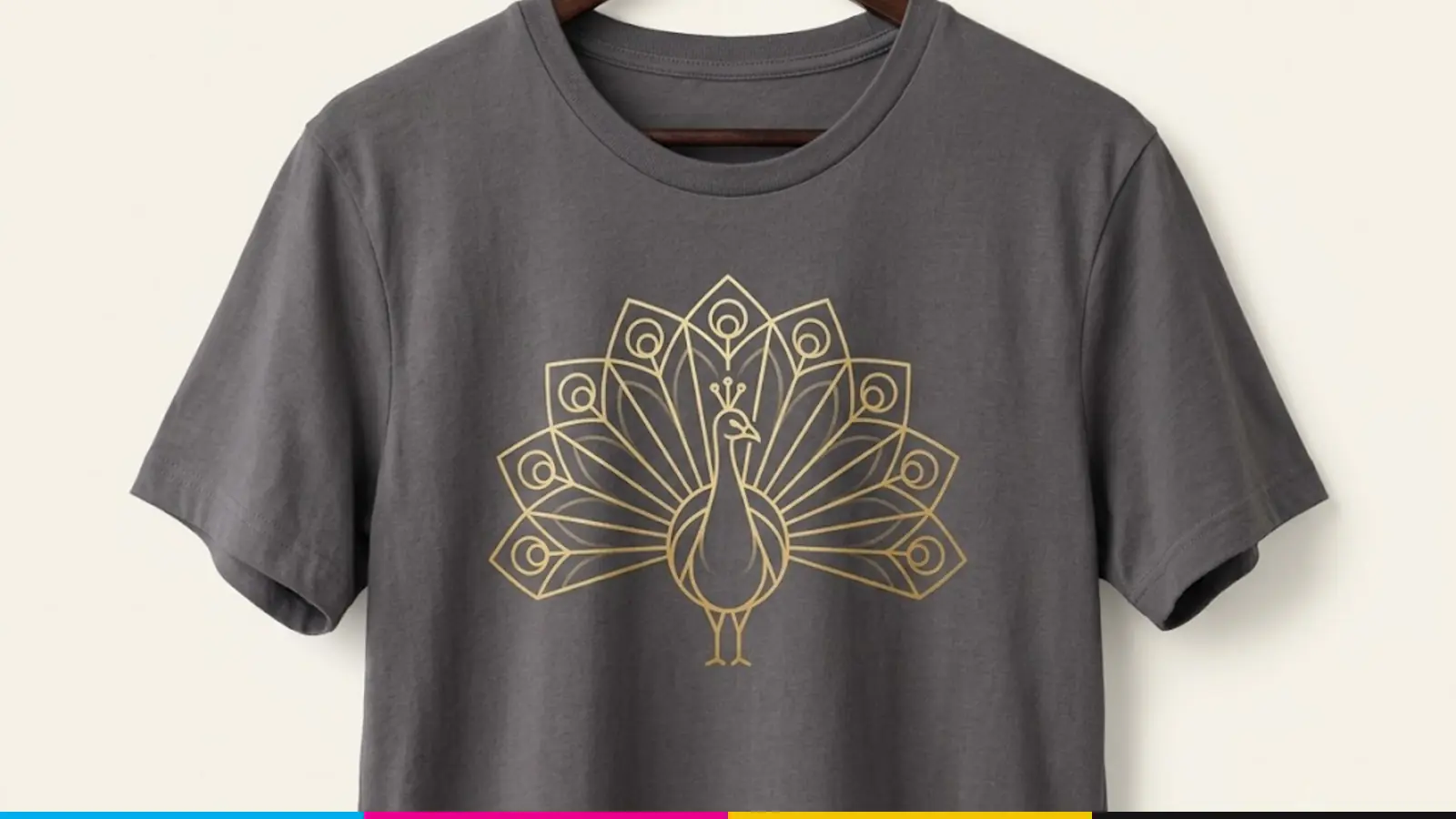
A t-shirt print that is done properly and cared for will last the life of the shirt. When prints fade, crack or peel, it usually comes down to three things: the print method, how well the ink was cured, and how the shirt is washed.
Why prints fail
Under-cured screen-print ink can crack; cheap heat transfers can peel at the edges; and any print will fade faster if it is washed hot, tumble-dried on high, or ironed directly. Good preparation and curing prevent nearly all of it.
Curing is the step most people never see and the one that decides everything. Screen-print ink has to reach a set temperature all the way through to bond permanently to the fabric — printers call it curing, and if it is rushed the ink sits on the surface and cracks the first time the shirt stretches. DTF and DTG have their own version: the transfer or ink has to be pressed at the right heat, pressure and time so it fuses rather than merely sticks. A print done by someone cutting corners on curing can look flawless on day one and fail within a month. That is why the workshop matters as much as the method.
Which methods last longest?
Properly cured screen printing is extremely durable. Quality DTG and DTF prints also hold up well over many washes when they are pressed and cured correctly. The method matters less than whether it was done right.
If you want a rough order: a fully cured screen print is the benchmark, DTF is close behind and copes well on synthetics, and DTG lasts very well on cotton with a slightly softer, more integrated finish because the ink is in the fabric rather than on it. The gap between a good example of any of these is small. The gap between a good print and a badly cured one is enormous.
How to make your print last
- Turn the shirt inside out before washing.
- Wash in cold water on a gentle cycle.
- Skip the tumble dryer where you can, or use low heat.
- Do not iron directly over the print.
A few extra habits stretch the life further. Wait until you have a full load of similar colours rather than washing a printed shirt on its own with heavy items like jeans and zips that abrade the print. Use a mild liquid detergent and skip fabric softener, which can build up on the print over time. Avoid bleach and oxygen-boosters entirely. Hang the shirt in the shade to dry — the Sydney sun will fade a print as surely as a hot dryer will, and line-drying in direct sun for hours is one of the quieter causes of a washed-out look. If you must iron, turn the shirt inside out and press around the design, or lay a cloth over it.
Signs a print was done well
A quality print stretches with the fabric instead of cracking, has crisp edges with no lifting corners, and does not feel like a stiff plastic patch sitting on top of the shirt. After the first wash it should look exactly as it did before. If a print stiffens, curls at the edges or loses colour after one cold wash, that is a curing or pressing problem, not a care problem.
Frequently asked questions
How many washes should a good print survive?
A properly cured print will comfortably outlast the fabric — you will usually retire the shirt for wear and holes long before the design gives out. There is no fixed number, but many quality prints look sharp well past fifty washes when cared for.
Does the garment quality matter?
Yes. A print can only last as long as the shirt it sits on. A thin, low-grade tee pills and thins quickly, which drags the print down with it. A good-weight cotton tee gives the print a stable base and both last longer together.
Why did my print crack after a few washes?
Almost always under-curing, sometimes made worse by hot washing or a hot dryer. Once ink has cracked it cannot be repaired, which is why getting the curing right the first time is the whole game.
Can I speed-dry a printed shirt?
Air-drying in the shade is safest. If you need the dryer, use the lowest heat setting and pull the shirt out slightly damp rather than baking it — high heat over time is what breaks prints down.
Beyond washing: storage and everyday wear
Washing gets the attention, but a few other habits matter. Fold printed shirts rather than cramming them into a drawer where the design creases hard against itself for months — a sharp fold line left in one spot can eventually mark a heavy print. Skip the thin wire hangers that dig into the shoulders and pull the fabric out of shape around the design. Everyday abrasion is the quiet enemy: a backpack strap, a seatbelt or an apron rubbing the same spot every day wears a print faster than the wash cycle ever will, so it is worth knowing where on the shirt your design sits. And if the shirt lives outdoors — a work uniform, a market tee — remember that constant UV from the Sydney sun fades ink over months, not just in the dryer.
We cure every print properly and include care tips with your order, so your design stays sharp. See our t-shirt printing options, our hoodie printing, or get a quote.