How much does brochure printing cost in Australia?
Brochure printing prices are driven by size, the fold, paper stock, number of sides, finish and quantity. A simple A4 tri-fold on standard stock sits at the affordable end; a large-format brochure on heavy stock with a soft-touch laminate costs more. Here is how each factor moves the price.
A brochure has more moving parts than a flat flyer — the fold and the finishing both add steps — so the spec you choose has a real effect on the final number. Work through the factors below and you can dial the brochure in to your budget before requesting a quote.
Quantity
As with all printing, the per-unit price drops as you order more, because setup costs are spread across the run. A larger quantity almost always means a lower cost per brochure, and the biggest savings come in the jump from a few hundred to a thousand or more. If a reprint is coming, it is often cheaper to fold it into one larger order.
Size and fold
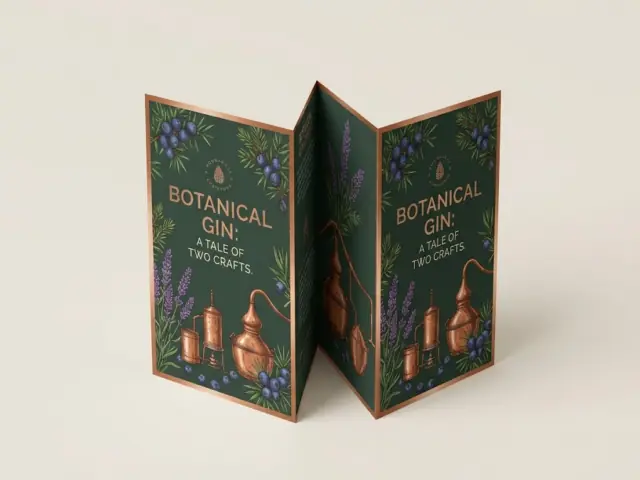
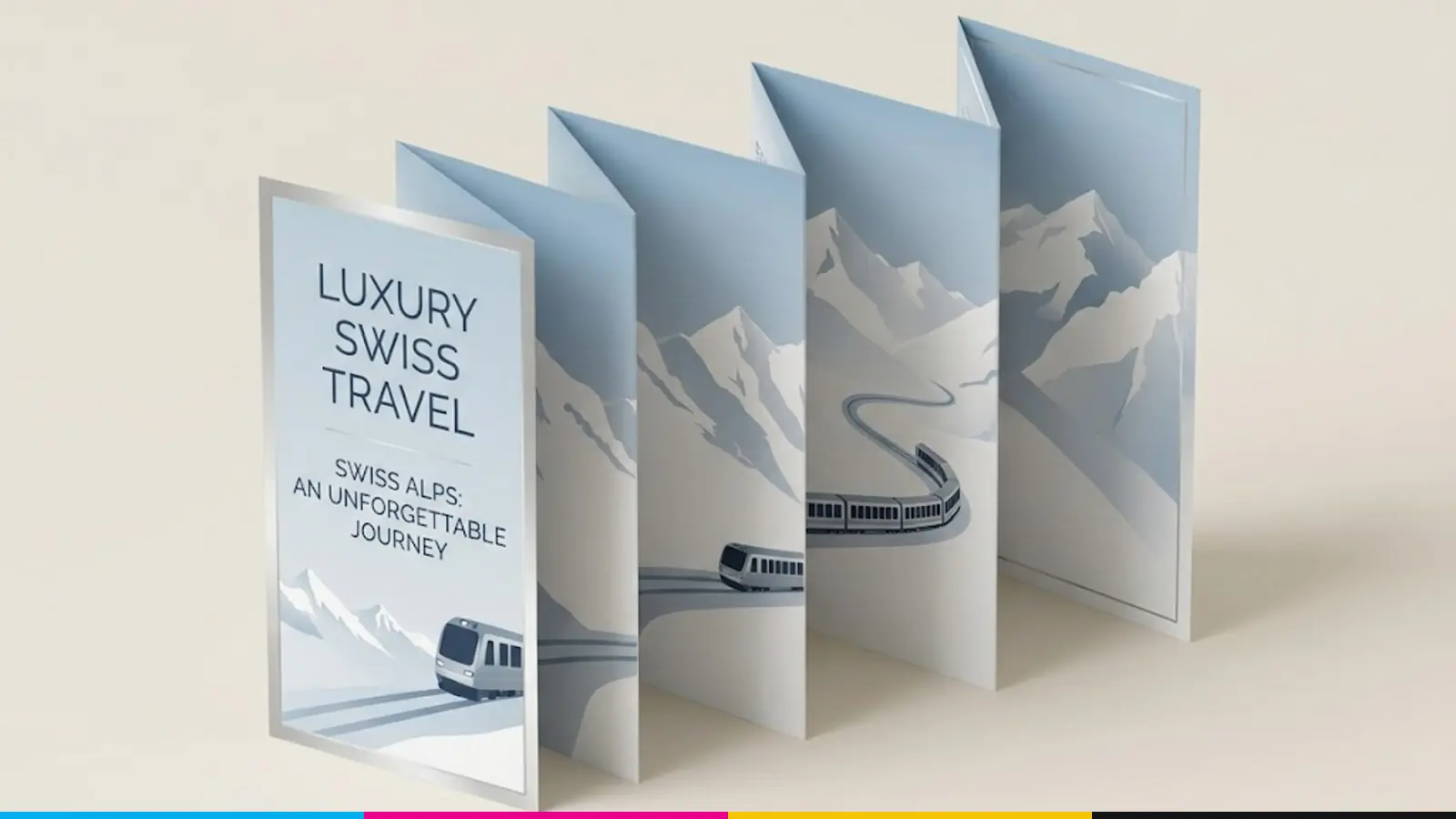
A4 folded to DL is the standard and most economical brochure. Bigger flat sizes such as A3, or folds with more panels like roll and gate folds, use more paper and more finishing time and cost a little more. Simpler folds — bi-fold and tri-fold — are the value options, while gate and roll folds sit higher because of the extra creasing. Our brochure page lists the folds we offer.
Paper stock and finish
Lighter 150gsm stock is fine for a mass handout where cost matters most; heavier 250–350gsm feels premium, holds a fold beautifully and stands up in a brochure stand. Laminates, celloglaze and spot UV lift the finish — and the price. Heavier stocks usually need scoring before folding so they do not crack along the crease, which is a small extra step worth having on any premium job.
Sides and colour
Full colour both sides is standard for brochures and priced accordingly. Any special or spot colours, heavy ink coverage, or coatings will affect the cost. If budget is tight, a strong two-colour design on a nice uncoated stock can look sharp for less than full-bleed colour throughout.
How to keep brochure costs down
- Choose a standard size and simple fold — A4 tri-fold to DL is the value sweet spot.
- Order the full quantity in one run to spread setup costs.
- Match the stock to the job — do not pay for 350gsm on a short-life handout.
- Keep finishes purposeful — spot UV on a logo makes more impact than an all-over gloss for less.
- Supply print-ready CMYK artwork with bleed and a folding dummy to avoid correction time.
Common mistakes that add cost
- Equal panel widths on a tri-fold, which forces artwork rework so it folds flat.
- Skipping scoring on heavy stock, leading to cracked folds and reprints.
- Non-standard flat sizes that waste paper on the press sheet.
- Under-ordering and paying setup twice on a reprint.
Brochure cost FAQ
What is the most economical brochure to print?
An A4 sheet folded to DL as a tri-fold on a standard stock. It uses a full A4 efficiently, needs only simple folding and posts in a DL envelope.
Does a heavier stock cost much more?
Heavier stock costs more per sheet and may need scoring, but the difference is modest on shorter runs and it lifts the feel considerably. It is often worth it for a brochure people keep.
Is digital or offset cheaper for brochures?
Digital is more cost-effective for shorter runs with no plate setup; offset wins on very large quantities. We will recommend whichever suits your quantity and stock.
Do you check brochure artwork before printing?
Yes, and it is free. We check the fold layout, bleed and colour so it folds flat and prints as expected.
Brochure sizes at a glance
Sticking to A-series sizes keeps a brochure economical because the sheets nest efficiently on the press with little waste. An A4 sheet folded to DL is the standard workhorse and posts in a DL envelope. An A3 sheet folded to A4 gives a larger, magazine-feel piece for property, hospitality or a premium product range, at a higher paper and finishing cost. A5 folded to A6 is a compact option for a short brochure or a detailed leaflet. Custom flat sizes are possible but can waste stock on the sheet, so it is worth checking whether a standard size gives you the same effect for less. When you brief the job, give us the flat size and the fold and we will tell you the most efficient way to run it.
Why we quote instead of listing prices
With so many variables, a fixed price would be wrong for most jobs. Quoting means the number matches your exact specs — and there are no surprises. It also lets us suggest a stock or fold that saves you money. Send your size, fold, stock and quantity on our brochure printing page or get a quote. We will check your artwork for free and reply the same business day.