Business card sizes and finishes in Australia: a complete guide
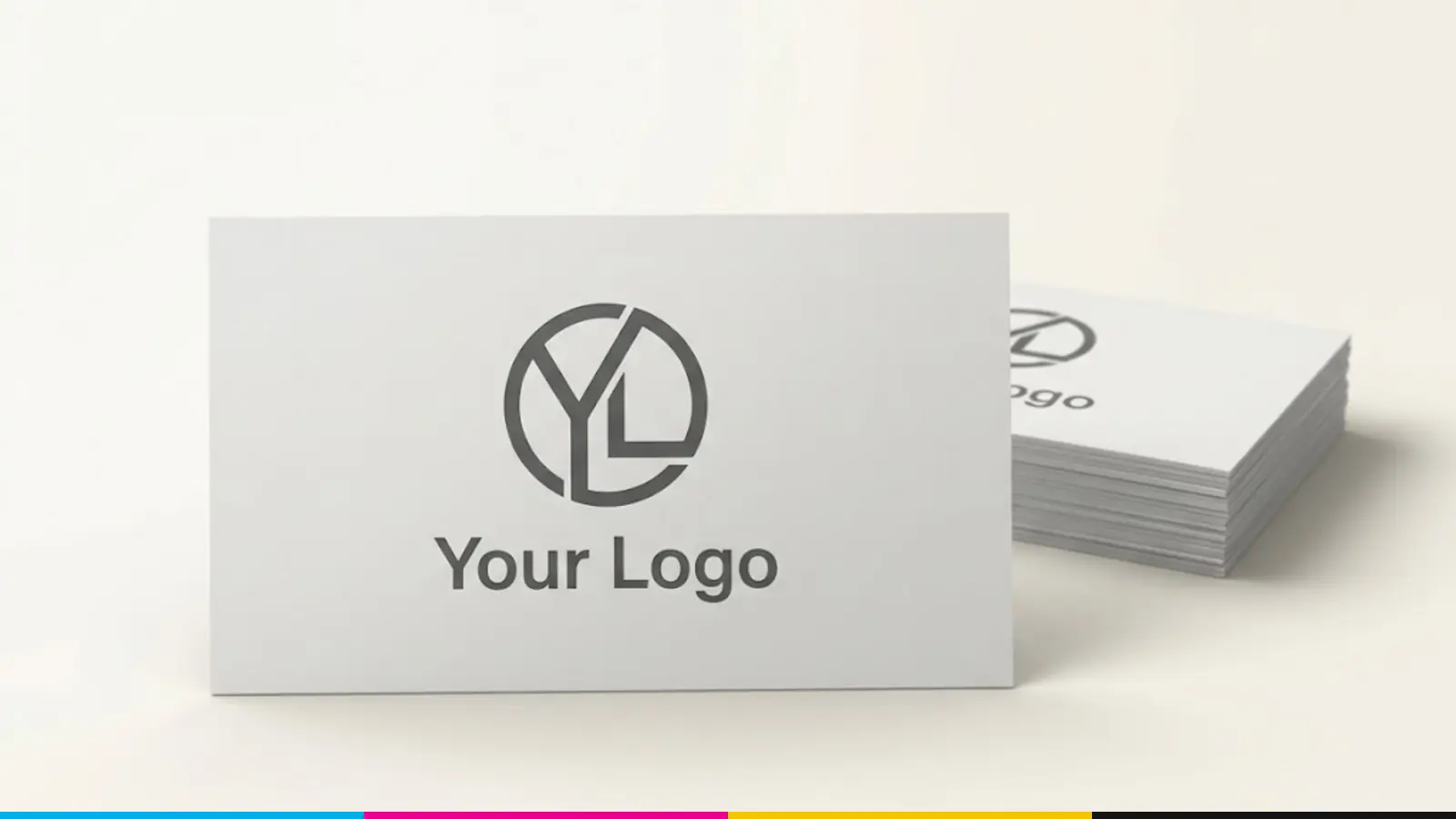
The standard business card size in Australia is 90 × 55mm. That is the size most wallets, cardholders and Rolodexes are built for — but square and mini cards are popular alternatives, and the stock and finish you choose matter just as much as the size.
A business card is often the first physical thing a prospect keeps from you, so the size, weight and finish all quietly signal how you run your business. Here is the full rundown on each, plus how to set up a print-ready file.
Business card sizes
- Standard — 90 × 55mm. The Australian norm; safe, familiar, fits every cardholder and wallet slot. Note this is a touch wider than the US/European 85 × 55mm, so use the local size for cards printed here.
- Square — 55 × 55mm. Modern and distinctive; stands out in a stack and photographs well for social. Uses a little more stock per card.
- Mini — 85 × 40mm. Slimline and memorable, good for a minimalist brand, appointment cards or loyalty cards.
Stock and weight (GSM)
GSM is the weight of the card — higher means thicker and more premium. For business cards, 350gsm is the practical minimum for a professional feel, 400gsm is a common upgrade, and 600gsm feels genuinely luxurious in the hand. Thin cards are a false economy: flimsiness is the first thing people notice, and it undercuts the impression you are trying to make. You can also layer two stocks for a thick triplex card, sometimes with a coloured seam through the middle.
Finishes
- Matt celloglaze — a smooth, non-reflective coating; understated and modern, and easy to read under office lighting.
- Gloss celloglaze — makes colours pop and adds shine; good for photography and bold brand colours.
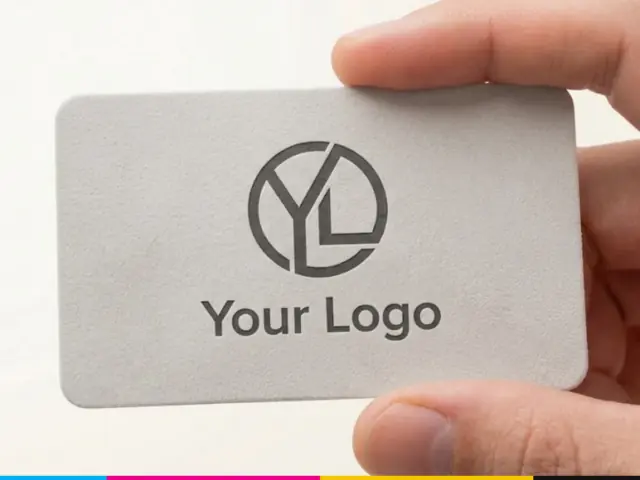
- Soft-touch laminate — a velvety, tactile finish that feels premium the moment it is handed over.
- Spot UV — high-gloss varnish on selected areas, such as a logo, against a matt background for contrast you can feel.
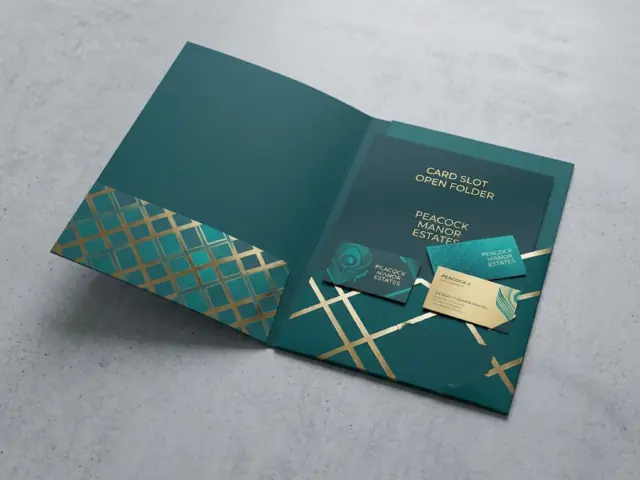
- Foil — metallic gold, silver, copper or colour for a real statement, often paired with soft-touch stock.
- Letterpress and edge painting — a pressed impression or a painted edge in a contrasting colour for a high-end, crafted look.
Single or double-sided, and rounded corners
Double-sided gives you room for a logo and tagline on one side and your details on the other, usually for a small extra cost — well worth it rather than cramming everything onto one face. Rounded corners are a simple, popular way to make a card feel more considered and set it apart from square-cornered stacks.
How to choose the right combination
Match the card to your trade. A designer, photographer or architect can lean into square or mini cards with soft-touch and spot UV; a solicitor, accountant or tradesperson is usually better served by a standard 90 × 55mm card on 400gsm with a clean matt finish. Whatever you pick, keep type legible: dark ink on a light stock reads best, and very fine reversed-out text can fill in on textured or soft-touch finishes.
Common mistakes to avoid
- No bleed or safe margin. Set 3mm bleed and keep text about 4mm inside the trim, or details can be cut off.
- Going too thin. Below 350gsm a card feels cheap; it is a small saving for a big drop in perceived quality.
- RGB artwork. Supply CMYK so screen colours do not shift on press.
- Tiny type on soft-touch. Fine lines and small reversed text can clog on tactile finishes — bump the size and weight.
Setting up your file
Set your artwork to 90 × 55mm (or your chosen size) with 3mm bleed, keep text about 4mm inside the trim, and supply CMYK at 300dpi as a print-ready PDF. If you want spot UV or foil, supply a separate layer marking exactly where it goes. Not print-ready? We check every file for free before it runs.
Business card FAQ
What is the standard business card size in Australia?
90 × 55mm. It fits local wallets and cardholders and is slightly wider than the US and European standard.
What GSM should a business card be?
350gsm is the sensible minimum, 400gsm is a popular upgrade, and 600gsm feels premium. Anything thinner tends to feel flimsy.
Is soft-touch or matt better?
Both are non-reflective and modern. Soft-touch adds a velvety texture that feels more premium; matt is a clean, cost-effective classic. Soft-touch pairs especially well with spot UV or foil.
Can I get same-day business cards in Sydney?
On selected stocks, yes. Get your print-ready file to us early and we can often turn standard cards around the same day for pickup in Marrickville.
How many should you order?
Because setup is a fixed cost, the price per card drops sharply as the quantity climbs, so very small runs are poor value per card. For a new business or a role change, a few hundred usually covers a year of steady networking, while anyone handing cards out at events or on site is better ordering in the thousands to bring the unit cost right down. If a rebrand or a new phone number is on the horizon, order a sensible quantity now rather than a huge batch you may have to bin. Ordering both your standard cards and any appointment or loyalty cards in one go also spreads the setup across the job. Tell us how you use your cards and we will suggest a quantity that balances cost against how long the details will stay current.
See our business card printing options or get a quote — we will recommend a stock and finish to suit your brand.